
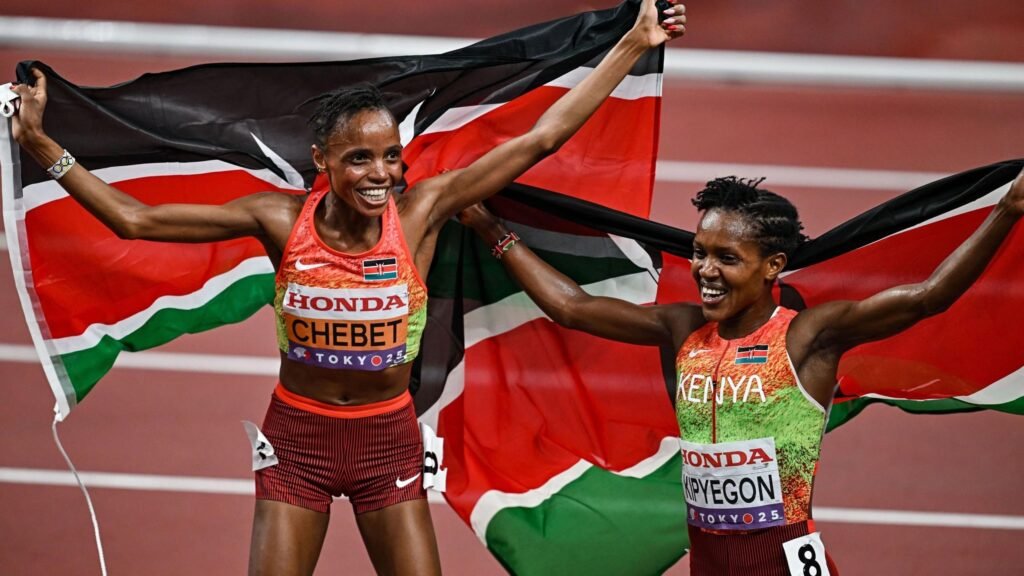
Nairobi, Kenya, has been selected to host the 2029 World Athletics Championships, giving Africa its first opportunity to stage the senior global outdoor championships. World Athletics announced the decision after the bidding process for the 2029 and 2031 editions, with Nairobi awarded 2029 and Munich selected for 2031.
What has been confirmed
The decision is more specific than the original headline. It is Nairobi, rather than Kenya in the abstract, that will host the championship. World Athletics describes the selection as a major moment for the sport and says the event will take place in September 2029, consistent with the organisation’s aim of building toward a late-season global championship.
The official announcement also points to Kenya’s previous experience of hosting major athletics events, including the 2017 World U18 Championships. That history matters because a senior World Athletics Championships requires more than a strong sporting reputation: it requires venues, transport, accommodation, media facilities, volunteers, medical operations and a competition plan capable of serving athletes from around the world.
Nairobi’s bid is also part of a wider sequence of major athletics events in Africa. World Athletics points to the continent’s experience with the World Cross Country Championships, the World U18 and U20 Championships in Nairobi, and the World Athletics Relays in Gaborone. That history does not remove the pressure of hosting the senior championships, but it shows that the 2029 decision follows an expanding base of event-management experience rather than standing alone.
The award also creates a bridge between Kenya’s athlete development culture and its event-hosting responsibilities. A successful championship would need to serve elite competitors while remaining accessible to local fans, schools and the wider athletics community. That balance can help the host turn a one-off global event into a longer-term participation and coaching legacy, although such outcomes will depend on the organisers’ plans rather than the award itself.
Why the decision matters to Kenya
Kenya’s athletics identity has been built largely through international success, particularly in distance running. Hosting the world championships changes the country’s role from competitor to organiser. Kenyan athletes will still face the same qualification and performance demands as everyone else, but the home setting could give the national team a distinctive stage in front of local supporters.
The event also creates a test of how Nairobi presents itself to the global athletics community. World championships bring together athletes, coaches, officials, broadcasters, journalists and spectators. The host must make the competition easy to reach, safe to attend and reliable to follow, while ensuring that the sporting facilities meet international standards.
The wider African significance
The selection represents a step forward for African hosting ambitions in global athletics. The continent has produced some of the sport’s most influential athletes and training communities, but hosting the senior outdoor championships is a different responsibility. Nairobi 2029 will allow organisers across the region to demonstrate that African cities can deliver a major multi-day athletics event at the highest level.
That opportunity should be measured by delivery rather than symbolism alone. The success of the championships will depend on the quality of the competition environment, the experience of visitors, the readiness of the venues and the strength of the operational plan. The award is the beginning of that process, not its conclusion.
What happens next
The next milestones should include the organising structure, venue plan, competition schedule, qualification framework and operational timetable. World Athletics and the Kenyan organisers will also need to clarify how the event will work for athletes and spectators, including access, accommodation, transport and media arrangements.
The 2029 championships therefore carry two stories at once. They celebrate Kenya’s place in athletics, and they create a demanding test of Nairobi’s ability to host the sport’s biggest outdoor competition. If the preparation matches the ambition of the bid, the event can become an important reference point for future African hosts.
Readers can compare Nairobi’s hosting opportunity with the European Athletics prize-fund expansion for Silesia 2028, while the Athletics section provides the wider BornAgain archive.