Asante Kotoko players have been advised to seek permission from the club before engaging in TikTok live sessions, dance videos and other forms of social media content that could be associated with the club.
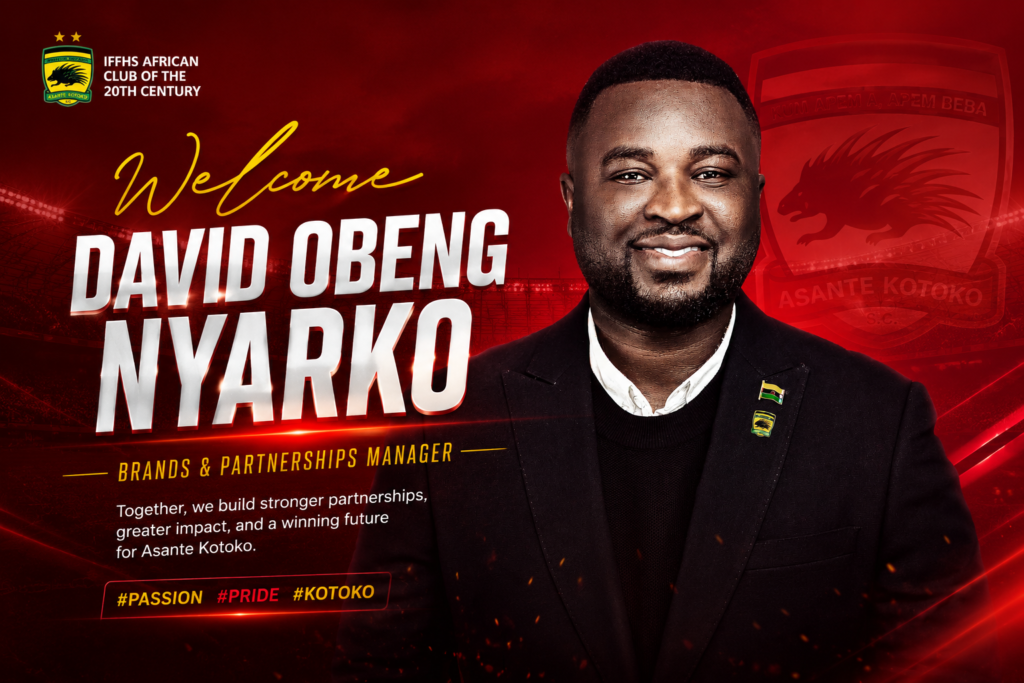
According to the club’s Brands Manager, David Obeng Nyarko, players are expected to obtain approval before producing certain forms of online content, particularly when such activities may involve the Asante Kotoko name, image or brand.
“You need our permission to perform TikTok live videos and dance content,” David Obeng Nyarko told the players.
The directive forms part of efforts by the club to ensure that the online activities of its players remain properly coordinated and consistent with Asante Kotoko’s brand identity and commercial interests.
Social media has become an increasingly important part of modern football, with players now maintaining large personal audiences across platforms such as TikTok, Facebook, Instagram and X. While these platforms provide players with opportunities to engage supporters and build their personal brands, their online activities can also have an impact on the public image of the clubs they represent.
As a result, Asante Kotoko wants players to be mindful of the type of content they create and publish, especially when such content could easily be linked to the club.
The directive does not necessarily prevent players from using social media or producing entertainment content. Rather, it emphasizes the need for proper communication and approval when the content could involve the club’s identity, promotional interests or public image.
For a major football institution such as Asante Kotoko, maintaining consistency across official and player-generated content is important to protecting relationships with supporters, sponsors and commercial partners.
Players are therefore expected to consider how their individual online activities may affect the wider image of the club before publishing certain content.
The development also highlights the growing relationship between football, digital communication and brand management. Players are no longer seen only as athletes on the pitch; their activities on social media can also influence supporters’ perceptions of their clubs and attract considerable public attention.
By introducing clearer coordination around TikTok live sessions, dance videos and similar content, Asante Kotoko appears to be strengthening its management of player-related digital communication.
The approach could also help the club maintain a more coordinated promotional strategy while still allowing players to engage with supporters through their personal social media platforms.
Asante Kotoko continues to command a significant following both in Ghana and beyond, making the online conduct and visibility of its players an important part of the club’s overall public image.
By Korankye Ebenezer