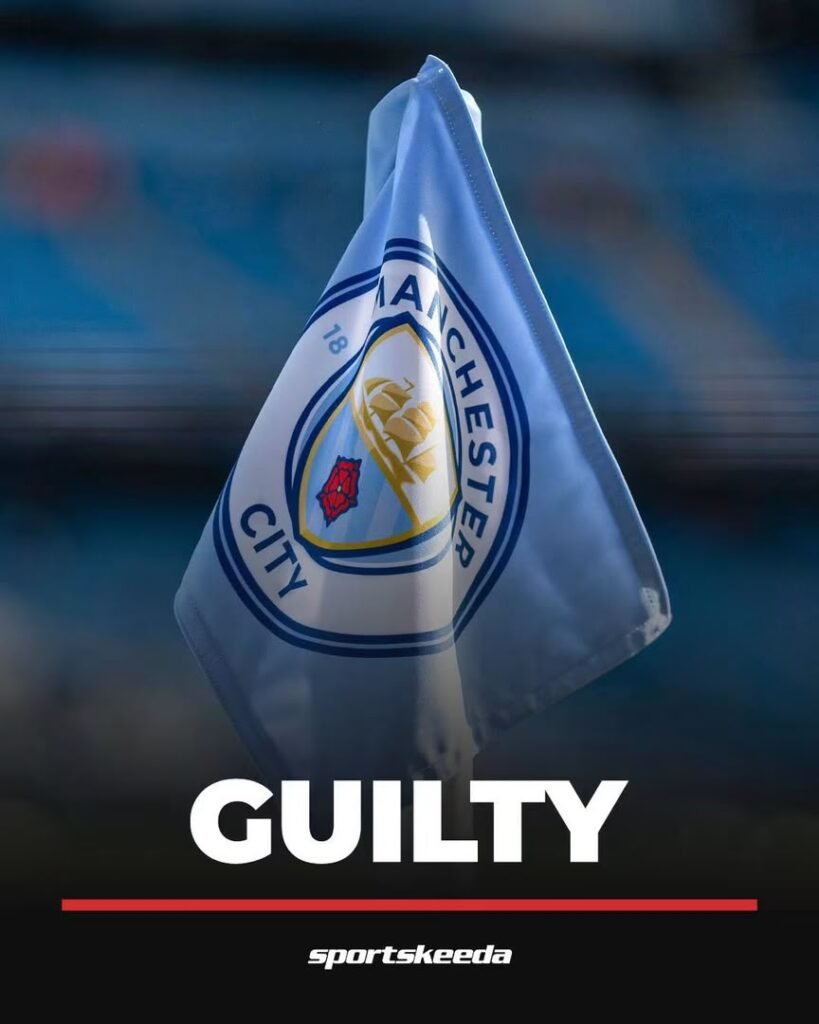
Manchester City were found guilty on 114 of the 115 financial charges brought by the Premier League, according to the reported verdict and subsequent coverage by established news organisations. The finding is a major development in English football, but it is not the same as a final punishment. Sanctions, the appeal process and the effect on historical records remain separate stages.
What the verdict concerns
The case covers alleged breaches relating to Manchester City’s financial reporting, remuneration and profitability-and-sustainability obligations across multiple seasons, along with allegations about cooperation with the Premier League’s investigation. The size and length of the case explain why the verdict has attracted such attention, but the number of charges should not be used as a substitute for explaining what happens next.
The independent commission’s finding does not by itself strip titles, deduct points or remove City from the Premier League. Those outcomes would require a sanction decision and the completion of the relevant legal process. The club has maintained its position in the case and has indicated that it will challenge the outcome.
The distinction between findings and punishment is especially important in a case that has generated strong reactions from rival supporters. A guilty finding on charges establishes the commission’s conclusions on those allegations; it does not automatically decide the sporting remedy. The final documents will need to show which rules were breached, what sanction is imposed and whether the sanction is suspended while an appeal is heard.
What sanctions could mean
The possible consequences range from a financial penalty to sporting sanctions. The eventual decision could consider the seriousness and category of the breaches, the time period involved and the rules governing the competition. It is not responsible to present relegation, expulsion, points deductions or title changes as confirmed outcomes while the sanction and appeal stages remain unresolved.
That uncertainty matters for supporters of other clubs. Discussions about whether Manchester United, Liverpool or another team could inherit past titles are hypothetical until a final ruling explains whether any historical results are changed and how the competition would apply such a decision. The current official record should therefore remain the reference point until the process concludes.
Why the appeal matters
Manchester City’s appeal will determine how quickly the verdict can move toward a final outcome. An appeal may challenge the findings, the process or the eventual sanction. It may also affect the timing of any sporting penalty. Until the appeal route is clear, reports about when a points deduction would apply are speculation rather than a settled competition decision.
The Premier League’s own communications and the commission’s published material will be especially important at this stage. Readers should be able to distinguish the original charges, the findings on each charge, the sanction decision and the result of any appeal. Those are different documents and should not be collapsed into one headline.
What happens next
The next confirmed developments should be the publication or explanation of the sanctions, Manchester City’s formal appeal position and any response from the Premier League. Until then, Manchester City remain in the official league record and no titles should be described as stripped.
Readers should also be careful with the phrase “114 of 115”. It describes the reported count of findings, not the scale of a single incident or a final points total. Coverage should link to the commission or competition material when it becomes public and should update the story if an appeal changes, narrows or overturns any part of the verdict.
The verdict is significant because it changes the legal position of the case, not because it immediately rewrites the table. A careful report should explain the finding, preserve the club’s right to appeal and make the limits of the current decision clear.